
How Feed Mills Are Reducing Energy Consumption With New Technology
Feed mills are improving energy performance through advanced technologies that focus on efficient operation, reduced waste, and smarter resource use. Modern facilities evaluate equipment upgrades, heat recovery, lighting improvements, and renewable energy integration to support sustainable production while maintaining stable feed manufacturing processes.
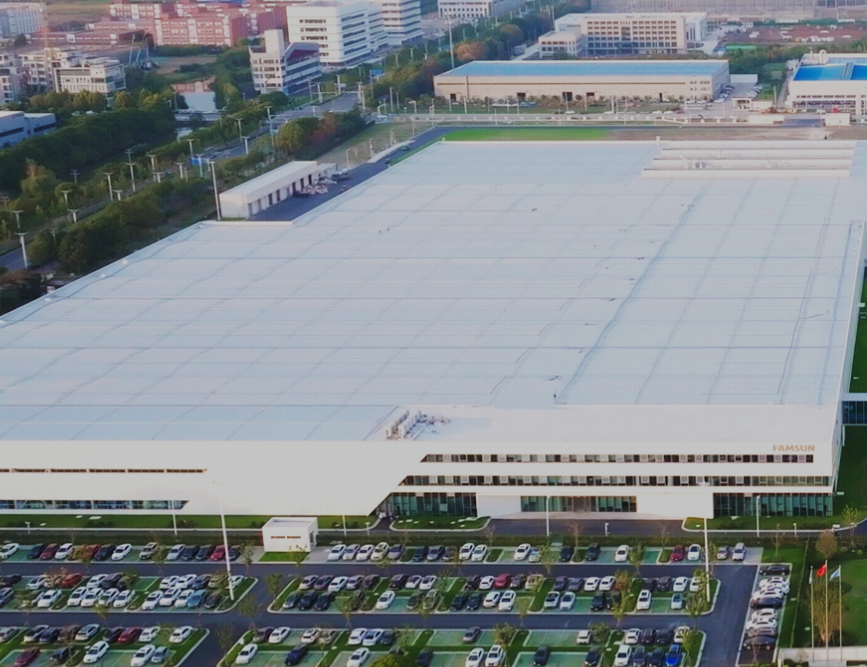
Energy Saving Strategies For Modern Feed Operations
Energy management has become an important part of industrial feed production planning. A feed machine with improved control functions can help factories manage motor performance more efficiently. Variable frequency drive systems allow equipment speed adjustments according to production requirements and reduce unnecessary energy consumption.
Variable frequency drive retrofits are applied to improve motor control and operational efficiency. By adjusting running speeds based on actual production needs, factories can optimize equipment performance. Engineers evaluate existing systems to identify suitable retrofit opportunities and improve energy usage across different processing sections.
FAMSUN provides engineering solutions for feed processing facilities and supports customers with equipment integration and technical services. They develop practical approaches based on project requirements, helping enterprises apply suitable technologies for energy management, production efficiency, and coordinated factory operation.
Energy-saving projects usually involve multiple improvement areas rather than a single upgrade. Manufacturers review equipment conditions, production processes, and facility systems together. This comprehensive approach helps companies manage power consumption while maintaining consistent output and reliable performance throughout daily feed manufacturing activities.
Feed Plant Machinery Upgrades For Energy Efficiency
Modern feed plant machinery can support energy reduction through improved equipment design and operational control. Factories evaluate motors, conveying systems, and processing units to identify opportunities for upgrades that improve efficiency and reduce unnecessary power usage during production.
Machinery upgrades often involve evaluating motors, conveying systems, and production lines to identify areas where energy improvements can deliver measurable results. These assessments help manufacturers prioritize investments based on actual operating conditions. This adjustment capability may support lower energy demand and improved equipment performance in industrial environments.
Heat recovery systems offer another approach for improving resource utilization. Production facilities can examine available heat sources and evaluate possible reuse methods. Recovering thermal energy can help reduce energy losses and support more efficient management of factory utilities.
LED lighting improvements also contribute to factory energy management. Replacing traditional lighting systems with efficient alternatives can reduce electricity consumption in production areas. Facility planners consider lighting requirements together with equipment placement, workplace conditions, and overall factory organization.
Renewable Energy Integration In Feed Mills
Renewable energy integration provides additional opportunities for feed mills seeking improved energy performance. Companies evaluate suitable renewable solutions based on facility conditions, technical requirements, and operational goals. These systems can become part of broader strategies for managing energy consumption.
A feed machine upgrade requires careful assessment of current equipment and production conditions. Engineers review automation functions, motor systems, and operating patterns before applying improvements. This process helps ensure technology investments match actual factory requirements and support reliable manufacturing activities.
Energy-saving technologies require proper maintenance after installation. Regular inspections, system monitoring, and operational adjustments help maintain equipment efficiency. Factories benefit when energy management becomes part of daily production practices rather than a one-time improvement activity.
FAMSUN works with partners through engineering services and provides integrated solutions for feed industry projects. They combine technical experience with equipment knowledge to support enterprises applying practical methods for energy efficiency, process improvement, and factory system coordination.
Technology Planning For Efficient Feed Production
Energy efficiency depends on how different systems operate together within a feed mill. Grinding, mixing, conveying, pelleting, and other processes require coordinated equipment performance. Proper technology planning helps manufacturers reduce unnecessary energy consumption while maintaining stable production quality.
The application of feed plant machinery with advanced control systems allows operators to monitor production conditions more effectively. Automated functions provide better visibility into equipment operation and help factories adjust performance according to changing manufacturing requirements.
Technology selection should consider production capacity, equipment conditions, and facility structure. Engineers analyze existing operations before recommending improvement methods. This approach helps companies develop practical energy strategies that support both operational efficiency and long-term production objectives.
Energy reduction projects require cooperation between engineering teams and factory operators. Clear communication helps identify operational challenges and ensures improvement measures are suitable for real production environments. Well-planned solutions support better equipment performance and more effective resource management.
Supporting Sustainable Feed Mill Development
Feed mills continue to improve energy performance through technology upgrades and optimized production methods. VFD retrofits, heat recovery systems, LED lighting, and renewable energy options provide different approaches for reducing consumption and improving factory resource management.
Continuous monitoring helps factories maintain energy performance after upgrades. Operators can review production data, adjust operating parameters, and identify further opportunities for improvement.
FAMSUN supports customers with engineering capabilities, and they provide solutions that connect machinery systems with project requirements. They assist enterprises through technical planning and integrated approaches designed for feed processing applications with practical energy management objectives.
Feed plant machinery projects require detailed evaluation because every facility has different operating conditions. Engineers analyze existing systems, identify possible improvements, and develop suitable strategies that help manufacturers achieve energy-saving goals without affecting production reliability.
Energy consumption reduction involves combining multiple technologies and management practices. Feed producers can improve efficiency by applying suitable equipment upgrades, monitoring systems, and renewable energy methods according to their specific factory conditions and operational requirements.
Conclusion
Through continuous optimization and technology adoption, feed manufacturers can improve operational efficiency, reduce resource waste, and build more sustainable production systems. With careful engineering planning and suitable equipment improvements, manufacturers can achieve better efficiency while maintaining stable production and reliable long-term feed processing operations.