
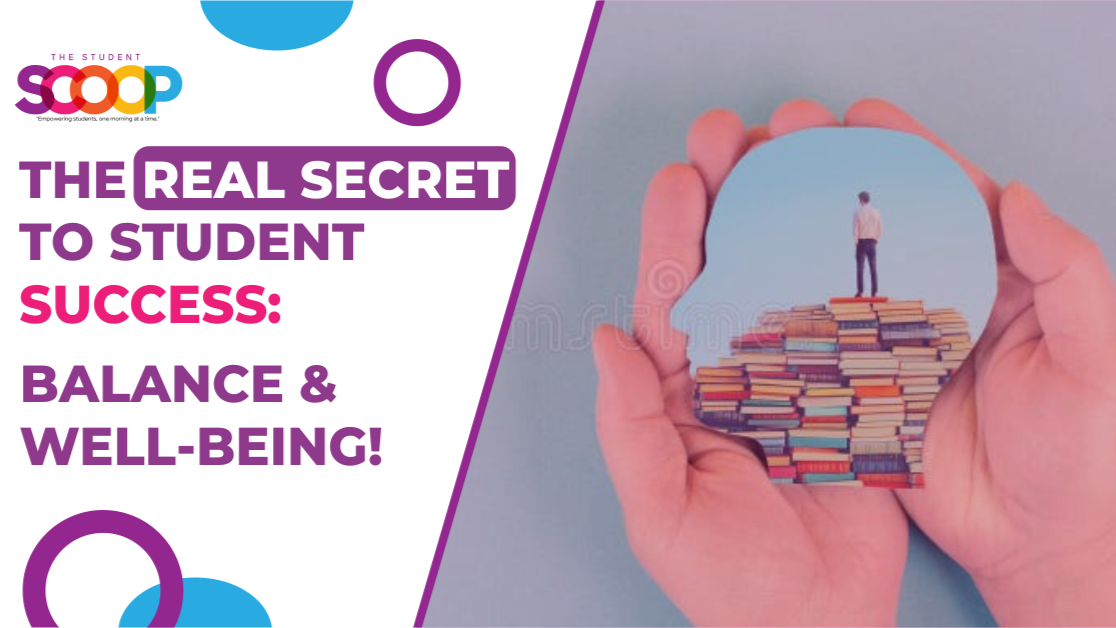
Savoring Success: Why Modern Students are Trading All-Nighters for Meaningful Social Connections
For decades, the “starving, sleep-deprived student” was a badge of honour in universities across the globe. We’ve all seen the trope: a desk cluttered with empty energy drink cans, highlighter stains on every finger, and a laptop screen glowing at 3:00 AM. In the high-pressure environments of Sydney, Melbourne, and Brisbane, pulling an all-night session was once considered the only way to prove you were truly dedicated to your degree.
However, a massive shift is occurring in the student psyche. The modern learner is starting to realise that sacrificing sleep and social interaction doesn’t actually lead to better grades. In fact, it often leads to burnout, diminished cognitive function, and a lack of the “soft skills” that employers actually care about. Today, the smartest students aren’t the ones staying up until dawn; they are the ones who have mastered the art of balance.
The Myth of the Productive All-Nighter
Science has finally caught up with what our bodies have been telling us for years: the human brain is not a machine. When we deprive ourselves of sleep to finish a paper, our ability to think critically and solve complex problems plummets. Writing a 2,000-word essay on three hours of sleep often results in work that is repetitive and full of errors.
Modern students are prioritising mental health over “grind culture.” They understand that a refreshed mind is far more capable of producing a Distinction-level paper than a mind that is operating on fumes. By choosing to close the laptop and head out for a meal with friends, students are actually giving their brains the necessary “diffuse mode” thinking time required to grasp difficult academic concepts.
The Power of Meaningful Social Connections
University is about more than just a piece of paper at the end of three or four years. It is a unique window of time to build a network of peers, mentors, and friends. When students isolate themselves in the library, they miss out on the collaborative learning that happens over a shared dinner or a weekend coastal walk.
Socialising isn’t just “fun”—it’s a survival strategy. Discussing course material in an informal setting often leads to “lightbulb moments” that don’t happen in a silent study hall. Furthermore, the emotional support found in a strong friend group acts as a buffer against the stress of exam periods. This shift toward social connection is a sign of emotional intelligence, showing that students value their long-term well-being over short-term academic panic.
Navigating the Heavy Workload
Of course, the desire for a better social life doesn’t make the assignments disappear. The curriculum remains rigorous, and the deadlines are still as firm as ever. This is where the modern student gets strategic. Rather than trying to do everything alone and failing to do any of it well, they look for reliable resources to help manage the load.
In a world where every hour counts, leveraging professional support is a smart move. Many students in the region find that using a reputable assignment writing service australia allows them to maintain their high standards without sacrificing their health. It’s about working smarter, not harder. By delegating the more tedious research or formatting tasks, a student can focus on the core learning objectives of their course while still having time to attend that birthday dinner or community event.
Why Quality Support Matters
The decision to seek help isn’t about laziness; it’s about resource management. Just as a business owner hires an accountant to handle the books, a student can hire experts to help navigate complex academic requirements. When the pressure of multiple overlapping deadlines hits, the option to pay someone to do your assignment can be the difference between a breakdown and a breakthrough.
This approach ensures that every submission is polished, well-researched, and formatted to the highest standards. It provides a roadmap for the student to follow, helping them understand how to structure their own future work. Most importantly, it buys back the most precious commodity a student has: time. Time to sleep, time to exercise, and time to foster those social bonds that make life worth living.
Redefining Academic Success
Success in the modern era is no longer measured solely by a GPA. It is measured by the ability to balance professional goals with personal happiness. Employers today are looking for well-rounded individuals who can communicate effectively, work in teams, and manage their stress. These skills are built on the football field, in cafes, and during late-night chats with roommates—not just in a vacuum of textbooks.
As we move forward, the “all-nighter” will likely become a relic of the past. The new gold standard is the student who walks into an exam feeling rested, confident, and connected to their community. By embracing a more human-centric approach to education, we aren’t just creating better students; we are creating healthier, more capable humans.
Conclusion
Ultimately, the era of the isolated, exhausted student is fading. Modern learners are choosing to value their mental health and social lives as much as their grades. By working smarter and using professional resources to manage the load, you can achieve academic excellence without missing out on the connections that make university life truly memorable. Balancing your books with your social life isn’t just about fun—it’s the foundation for long-term success.