Designing Better Furniture Lighting: Essential Considerations for Project Buyers
Furniture lighting does more than make cabinets and shelves easier to use; it can change how materials, colors, and interior details are perceived. Subtle illumination beneath a countertop, inside a wardrobe, or along an open display shelf adds depth while helping users locate everyday items.
Selecting suitable LED light strips for furniture requires attention to dimensions, light quality, installation conditions, and long-term reliability. With experience in LED lighting manufacturing, LEDIA Lighting offers a useful industry reference for understanding the technical choices behind integrated furniture illumination.
Planning Light Around Furniture Structure
Furniture dimensions should shape the lighting plan from the beginning. A narrow shelf, deep wardrobe, and kitchen cabinet each present different spatial constraints, so the position and size of the light source need to match the available installation area. Measurements should account not only for the visible illuminated section but also for wiring routes, connectors, power supplies, and any space needed for maintenance.
The intended lighting effect also influences placement. Under-cabinet illumination generally works best when the light source is positioned to distribute brightness across the work surface without creating distracting reflections. Inside wardrobes, vertical lighting can make clothing easier to distinguish, while horizontal strips beneath shelves provide more localized illumination. Display cabinets may require a softer output to highlight objects without producing harsh reflections on glass.
Furniture materials deserve consideration as well. Glossy lacquer, glass, polished stone, and metallic finishes can reflect exposed LEDs, making individual light points more noticeable. Matte wood and textured surfaces tend to diffuse reflected light differently. Testing a sample against the actual furniture finish can reveal whether the chosen position, brightness, and diffuser create the intended appearance.
Evaluating Flexibility, Appearance, and Light Quality
The shape of the furniture often determines whether a rigid lighting component or a flexible strip is more practical. Straight cabinet edges can accommodate conventional profiles, while curved shelves, rounded corners, and irregular built-in structures may require a more adaptable format. A bendable LED strip can follow certain contours and reduce the need for multiple short lighting sections, although its permitted bending direction and minimum bend radius must be checked before installation.
Light consistency is another important specification. Uneven illumination can make cabinet interiors look patchy, particularly when the light source is close to the surface being illuminated. LED spacing, extrusion material, diffuser design, and installation distance all affect the final result. A continuous neon-style appearance may suit visible furniture edges, while a more directional output can be preferable for task lighting.
Color quality should reflect the furniture’s purpose. In wardrobes and dressing areas, accurate color rendering helps users distinguish clothing shades. Kitchen lighting may also benefit from a high CRI, especially around food preparation surfaces and colored finishes. Color temperature contributes to the overall atmosphere: warm white often complements wood tones, while neutral white can create a cleaner appearance in contemporary interiors.
Installation Methods and Electrical Coordination
Installation planning should begin before furniture production or assembly whenever possible. Built-in lighting may require channels, openings, concealed wiring paths, or dedicated spaces for drivers. If these details are considered only after the cabinetry has been manufactured, installers may face additional cutting work or visible cables. Early coordination between furniture designers, electricians, and lighting suppliers can reduce such complications.
Connection methods affect installation time and future servicing. Soldered connections can provide a secure electrical joint when performed correctly, but they require suitable tools and workmanship. Quick plug-in terminals offer another approach, particularly for projects involving repeated cabinet sections or on-site adjustments. Regardless of the connection type, polarity, voltage compatibility, and connector dimensions should be verified before the system is assembled.
Power planning should not be overlooked in multi-cabinet projects. The total load depends on strip length and rated power consumption, while long cable runs may introduce voltage drop and uneven brightness. Drivers need adequate capacity and suitable ventilation, with access retained for inspection or replacement. Sensors, dimmers, and controllers can add convenience, but their electrical specifications must match the selected lighting system.
Assessing Materials and Product Specifications
Furniture lighting is often installed in enclosed spaces where heat dissipation and replacement access are limited. The extrusion material should retain its appearance under the expected operating conditions, while the strip and its connections need to suit the surrounding environment. Kitchens, bathrooms, and other areas exposed to moisture or cleaning products may require different protection measures from dry bedroom cabinetry.
Buyers should request clear technical documentation covering input voltage, power consumption, dimensions, cutting instructions, color temperature, CRI, operating temperature, and installation accessories. Material properties also matter: resistance to yellowing, flexibility, and consistency between production batches can influence the appearance of a large furniture project. Sample evaluation is particularly useful when the lighting will remain visible as part of the finished design.
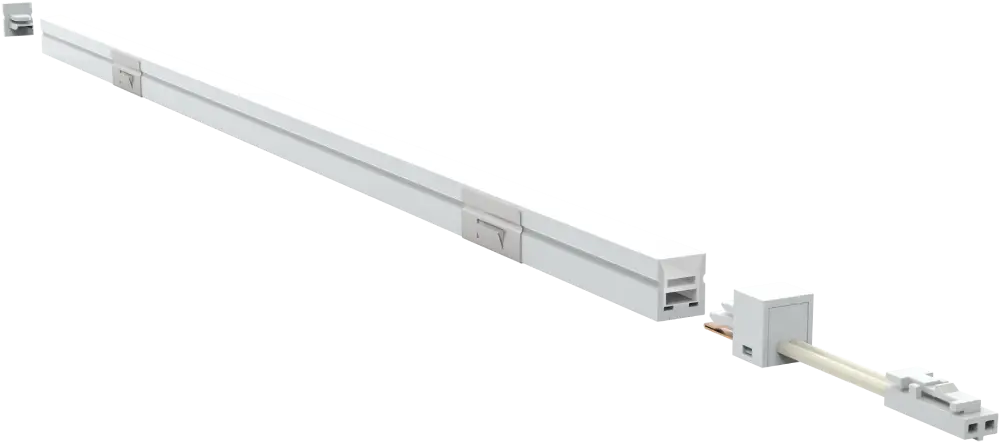
For integrated cabinet applications, LEDIA Lighting offers the Built-in Silicone Light E07. Its double-colored silicone extrusion produces a neon-style effect with soft, even illumination. The silicone material is described as eco-friendly and anti-yellowing, making the design relevant to furniture applications where the illuminated surface remains visible. These construction characteristics provide a specific option for project buyers assessing both appearance and material behavior in built-in lighting.
Conclusion
Successful furniture illumination depends on how carefully the lighting system is coordinated with the cabinetry, its materials, and the way people use the space. Dimensions and mounting positions determine where light falls, while optical quality, electrical connections, and material stability influence the finished appearance and ongoing maintenance.
Selecting LED light strips for furniture around actual project conditions can help avoid unnecessary installation adjustments, and a bendable LED strip may offer useful flexibility where conventional rigid components cannot follow the required shape. With its range of integrated lighting solutions, LEDIA Lighting provides project buyers with another option to evaluate when planning functional and decorative furniture illumination.