
What Does ESG Mean and How Does It Work?
ESG is an acronym that means environmental, social and governance; it is the process that should be used by a business to cover its effect on the planet, individuals and its own management team. The following guide explains what is esg and its functionality in normal business. ss. It is applicable to business owners and managers, as well as beginners, with a straight-forward starting point, which is founded on the Acumentis ESG guide.
What to know about ESG
What ESG means
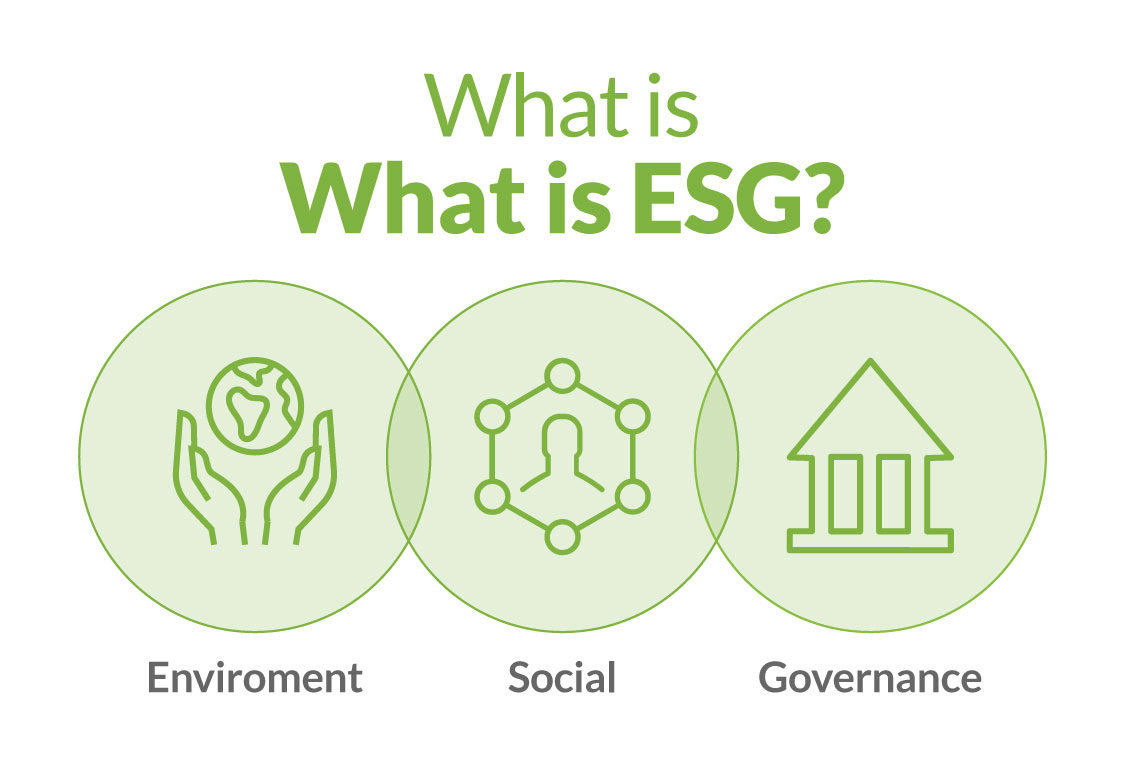
ESG is a model which demonstrates responsible business behavior. It thinks beyond profit and takes into account overall impacts of business decisions. Every one of the letters is related to another part of responsibility. Three parts of ESG:
- Environmental: This category deals with the impact of business on nature, such as the level of consumption of energy, waste, emission, and also how a business manages natural resources.
- Social: This area examines the treatment of the employees, buyers, and communities by a business and whether such relations are healthy and just.
- Governance: This domain deals with the leadership of a business, both in terms of ethics, its transparency and its responsibility to its actions.
How ESG works in business
Companies use ESG through developing goals, information collection and reporting. Leaders decide what issues are the most important and formulate their plans about it. The regularly conducted review determines effectiveness of the plans. The normal steps which a business follows:
- Collect reliable data: Teams monitor such data as emissions, turnover, and hours of training to ensure forward is demonstrated not with words but with facts.
- Set clear goals: Specific objectives like an energy reduction or employee safety objectives provide not only a goal direction but also a measure to employees over a time period.
- Report results: Reports are made to the investor, customers and employees and this brings confidence and proves that the target is being achieved.
Environmental impact and sustainability
The environmental aspect of ESG deals with the utilization of the available resources and the impacts that the business has on nature. Green decisions minimize damage and can in many cases save on costs in the long run. A corporation can begin by checking out its energy, waste and supply chain. Some environmental activities:
- Reduce emissions: Companies have the ability to monitor their carbon footprint and create targets to diminish that, which aids climate ambitions and satisfies the expanding reporting demands.
- Manage resources: Reduced water, energy and raw material will reduce costs and demonstrate a responsible attitude towards scarce natural resources.
- Cut waste: Reuse materials, less packaging, recycle more materials, can reduce landfill, as well as cut down on expenses of disposal and supplies.
Governance and accountability
Governance is concerned with the operation of a business and who makes decisions in the business. Good governance serves as a source of confidence among investors and citizens. There are also clear rules that lessen the potential mistakes and misconducts. Key governance practices:
- Business ethics: There should be clear codes of ethics to make the staff act honestly and make fair decisions even in the absence of the supervisors observing them.
- Transparency: Publicity of performance and risk allows stakeholders to observe how the business is run and they may make their judgment.
- Corporate accountability: Leaders are held accountable to the results and be answerable to the boards and shareholders in the case of outcomes which are below the agreed on standards.
A look at the frequently asked questions
What is the meaning of ESG?
It is shortened to environmental, social, and governance.
How does ESG work?
Companies formulate objectives, monitor data, and give updates.
And what is the use of ESG?
It assists companies to gain trust and cope with risks in the long term.
Who uses ESG?
It is used by firms, investors and organizations, both large and small.